

“Mythology” Series:
Format: Each week we present a concise mythological story and draw direct parallels to contemporary AI concepts.
Goal: Highlight how modern technological dilemmas mirror ancient Greek tales, sparking interest about both subjects.
1. Mythological reference
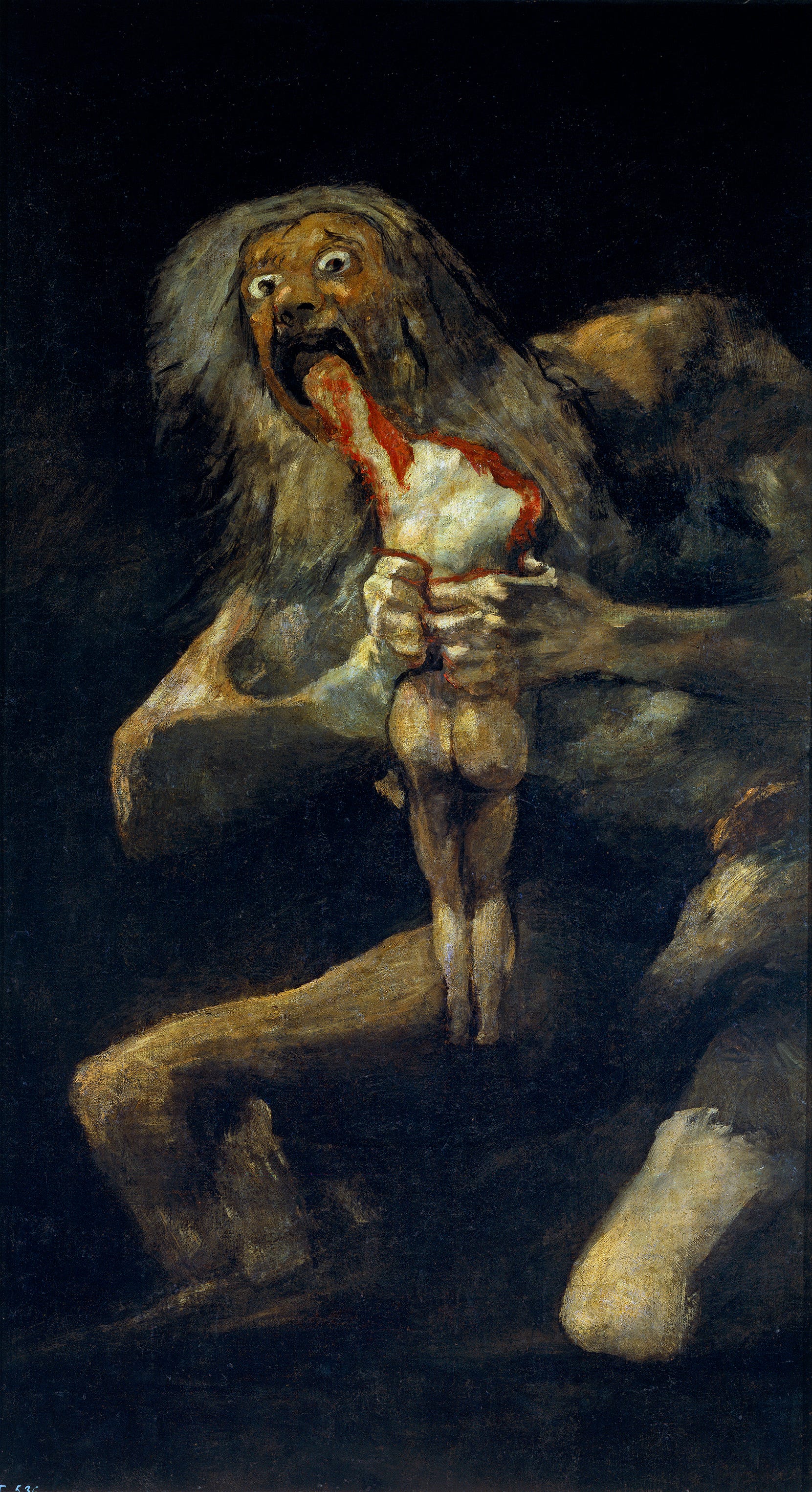
In Roman mythology, Saturn—the counterpart to the Greek Kronos—is revered as the father of the Olympian gods. Known for his association with time, harvest, and cycles, Saturn’s myth tells of a god who both nurtured and, in a grim twist, devoured his own offspring to prevent being overthrown. This paradox of creation and destruction symbolizes the inevitable passage of time and the renewal that follows an ending.
2. Parallel with AI and lesson from ancient mythology
Generational leaps in AI
Modern AI systems evolve in generations—consider the leaps from GPT-2 to GPT-4 and beyond. As new models emerge, they often overshadow their predecessors, raising concerns about obsolescence and the ethics of “devouring” older versions. Just as Saturn’s consumption of his children signified both a tragic end and the birth of a new order, each generational shift in AI carries the promise of groundbreaking improvements alongside the loss of legacy systems.
Innovation vs. obsolescence: New models offer enhanced capabilities and efficiencies but may render older architectures and methodologies outdated.
Ethical considerations: The “devouring” metaphor prompts us to reflect on responsible retirement, archiving, and even reusing components of older models for future learning.
Sustainable progression: As with Saturn’s cyclical reign, we must strike a balance—honoring the past while paving the way for transformative advances.
Drawing on insights from Adrienne Mayor’s Gods and Robots: Myths, Machines, and Ancient Dreams of Technology, we are reminded that myths often capture the dual nature of progress. Similarly, in technical circles, authors like Martin Ford have discussed how rapid innovation can sometimes outpace ethical considerations and long-term sustainability. These reflections encourage us to design AI systems that not only push the envelope but also respect the lifecycle of technological evolution.
Lesson: honor the past, shape the future
By embracing a Saturn-like perspective, we can:
Archive responsibly: Develop frameworks for retiring old models while preserving their learnings for future iterations.
Foster sustainable innovation: Integrate legacy insights into new systems to ensure that progress builds on a solid foundation.
Address ethical dilemmas: Engage in transparent practices that consider the impact of obsolescence on society and the environment.
3. Reflections and questions to consider
Balancing progress and preservation
How can we design AI architectures that honor past innovations while embracing the benefits of new generations?
Ethical retirement of models
What protocols should be established to responsibly decommission or repurpose outdated AI systems?
Legacy integration
Can insights from older models be effectively integrated into new systems to improve transparency and performance?
Societal impact
How do rapid generational shifts in AI affect workforce dynamics, and what measures can we take to mitigate negative impacts?
4. References
Iliad
(Epic narrative exploring the timeless themes of conflict, legacy, and the passage of time.)Odyssey
(Homer’s classic journey that mirrors the cyclical nature of creation, challenge, and renewal.)Adrienne Mayor, Gods and Robots: Myths, Machines, and Ancient Dreams of Technology
(Explores how ancient myths offer insights into modern technological dilemmas.)Martin Ford, Rise of the Robots
(Discusses the transformative impact of automation and generational shifts in technology.)Technical documentation and research on AI generational improvements (e.g., GPT series)
(Provides practical insights into how new models evolve and the challenges of integrating legacy systems.)
https://johnshanewayofthepoet.substack.com/p/song-of-the-monstrous-grid-john-shane?r=4max28