

“Mythology” Series:
Format: Each week we present a concise mythological story and draw direct parallels to contemporary AI concepts.
Goal: Highlight how modern technological dilemmas mirror ancient Greek tales, sparking interest about both subjects.
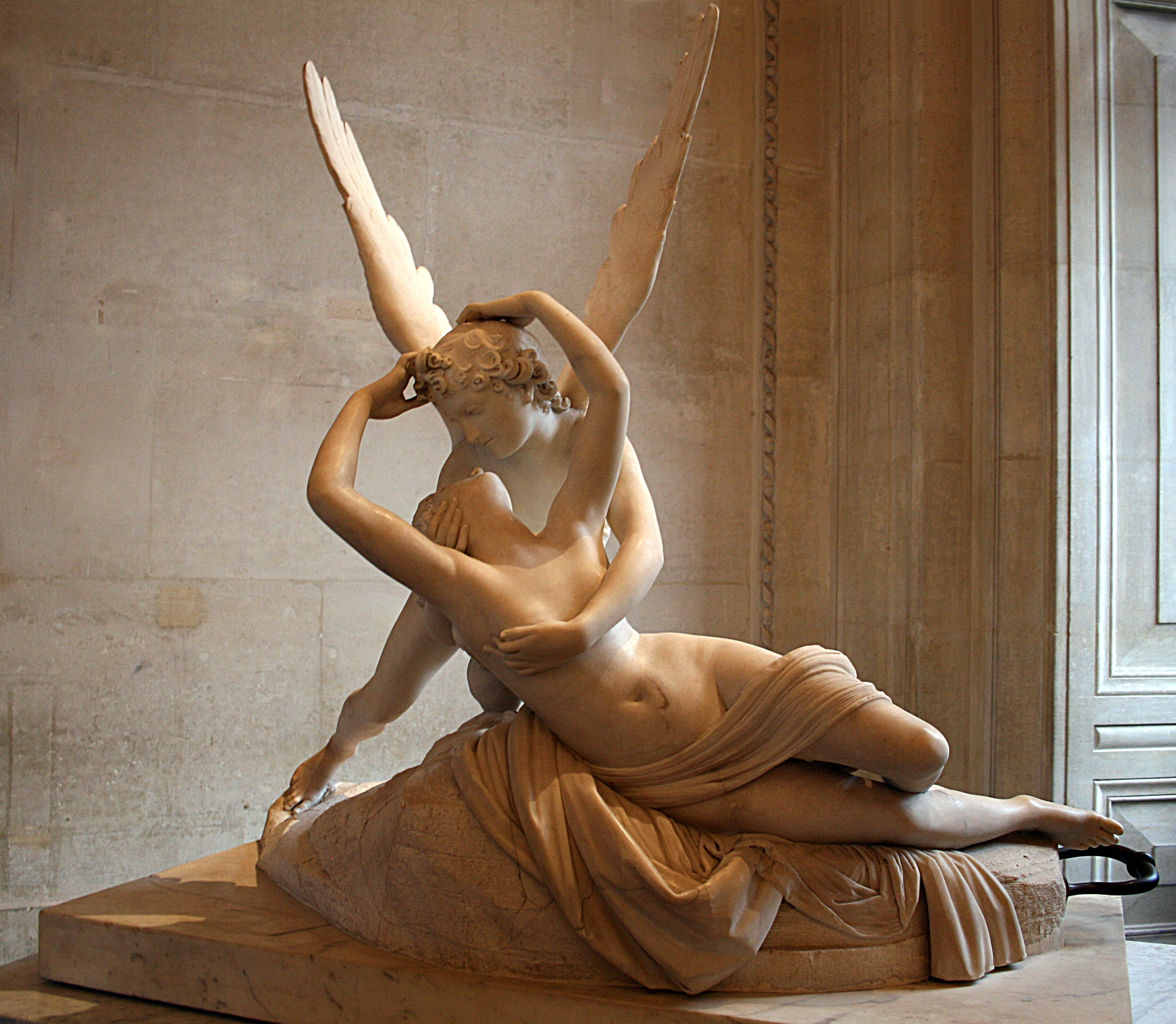
1. Mythological reference
The tale of Eros and Psyche centers on trust, secrecy, and curiosity. Psyche is forbidden to gaze upon her unseen lover, the god Eros. Urged by doubt, she lights a lamp, breaking the rule and shattering their bond. Trials follow until the couple is reunited, illustrating how transparency and faith must coexist for love to endure.
2. Parallel with AI and lesson from ancient mythology
The emotional contract with machine companions
As conversational agents, social robots, and recommender systems weave into daily life, humans form affective ties with machine companions. The relationship thrives or fails on trust:
• Transparency as the lamp
Model cards, explainable dashboards, and clear data-use policies lift the veil—allowing users to “see” how an algorithm works without destroying the bond.
• Hidden logic as secrecy
Black-box decisions can feel like Eros in the dark: alluring yet unsettling. When an unexpected outcome appears, curiosity turns to skepticism, eroding confidence.
• Calibrated disclosure
Designers must decide how much inner detail to reveal. Too little breeds suspicion; too much can overwhelm or even expose sensitive intellectual property—much like Psyche’s lamp both enlightens and endangers.
Adrienne Mayor notes in Gods and Robots that ancient myths caution against relationships built on hidden power. Modern studies in human-AI interaction echo this: meaningful transparency—why a suggestion was made, how data are used—correlates strongly with user satisfaction and sustained reliance.
3. Reflections and questions to consider
Right-sized explanations
How granular should algorithmic transparency be to build confidence without information overload?Emotional authenticity
When chatbots simulate empathy, does revealed scripting strengthen or weaken the user’s bond?Ethical curiosity
Should users always have the “lamp” to inspect AI logic, or are there domains where partial opacity protects privacy and security?Repairing broken trust
What remediation paths—feedback loops, apologies, human escalation—can restore faith after an AI misstep?
4. References
Iliad
Themes of trust and betrayal among allies inform modern AI-user dynamics.Odyssey
Episodes of disguise and revelation mirror transparency challenges in intelligent systems.Adrienne Mayor, Gods and Robots: Myths, Machines, and Ancient Dreams of Technology
Links classical cautionary tales to today’s technological relationships.Sherry Turkle, Alone Together
Explores emotional bonds humans form with digital companions and the role of trust.Doshi-Velez & Kim, “Towards A Rigorous Science of Interpretable Machine Learning”
Frameworks for explainability—the technical “lamp” for contemporary Psyches.