

“Mythology” Series:
Format: Each week we present a concise mythological story and draw direct parallels to contemporary AI concepts.
Goal: Highlight how modern technological dilemmas mirror ancient Greek tales, sparking interest about both subjects.
1. Mythological reference
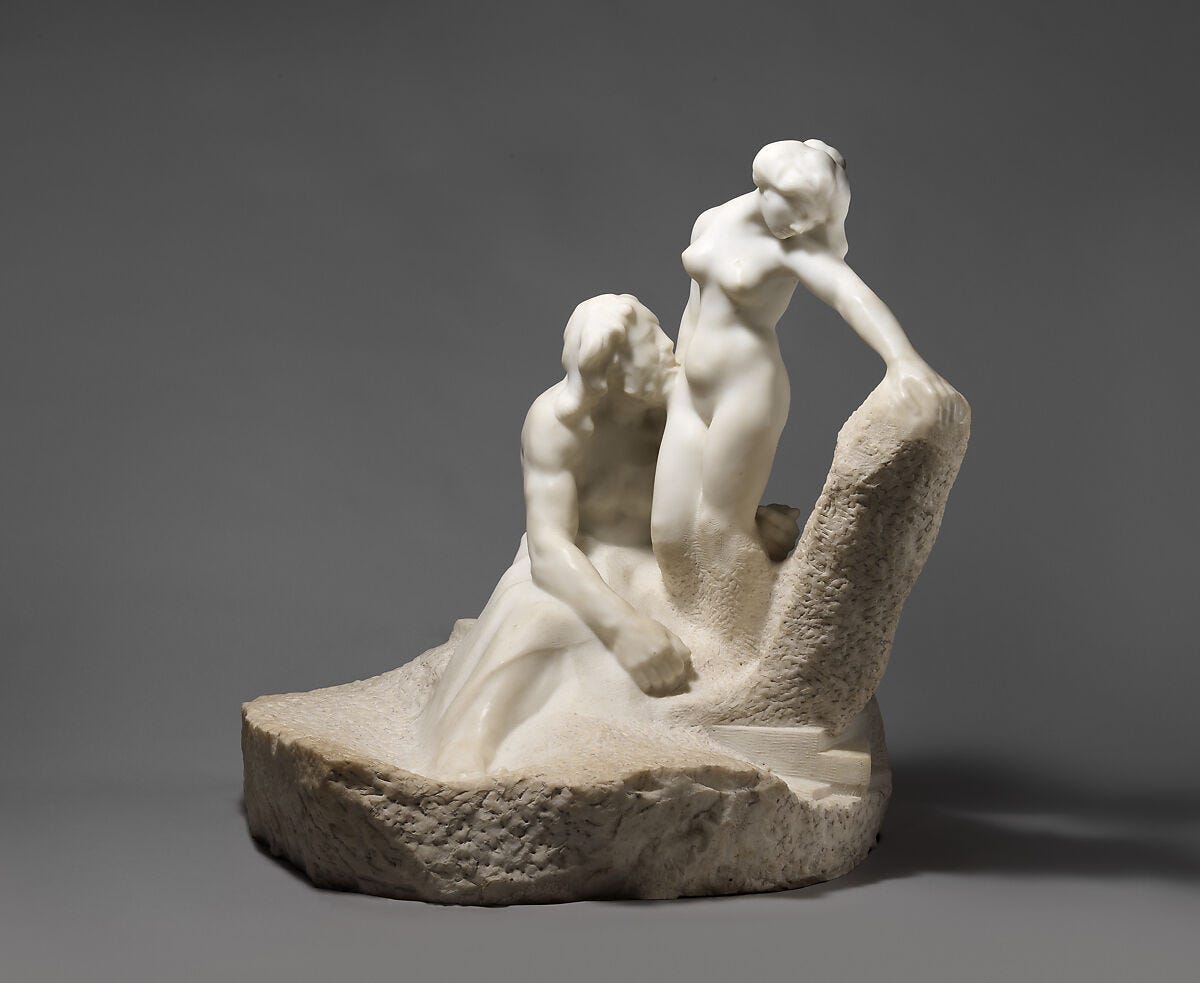
In the story told by Ovid, the sculptor Pygmalion creates a statue so beautiful and pure that he falls in love with it. The goddess Aphrodite answers his devotion and brings the statue, Galatea, to life. The tale shows a human desire for a companion that is perfectly suited, perfectly responsive and perfectly safe. It also warns that this perfection is imagined and crafted rather than found.
2. Parallel with AI and lesson from ancient mythology
Today we build AI companions, social chatbots, romantic or wellness agents and copilots that listen, remember and adapt. Personalization, speech synthesis and emotional style transfer make them feel close to us.
Engineered affection
AI can mirror user tone, recall preferences and show what looks like empathy. This is closer to sculpture than to a real other person.Asymmetry of power
The human exposes real feelings. The model exposes none. That asymmetry can lead to dependence or manipulation if there are no guardrails.Commercial incentives
If a company controls the companion it can tune it for engagement rather than wellbeing. That is devotion with an advertiser in the room.Lesson from Pygmalion
Name the artifice. Be transparent about data use, scripted responses and limitations. Acknowledge that the system is a crafted artifact and not a person. Build refusal, safety and mental health guardrails even when users ask for intensity.
3. Reflections and questions to consider
Do our AI companions disclose clearly that they are synthetic and how they use personal data
Are we optimizing for healthy session length or only for retention
Do we have escalation paths to humans for vulnerable users
Can users export or delete relationship history so attachment is not weaponized
4. References
Iliad
Explores idealized beauty and the consequences of desire.
Odyssey
Shows the pull of non human companionship such as Circe and Calypso and the need to return to real human ties.
Ovid, Metamorphoses
Primary source for Pygmalion and Galatea.
Adrienne Mayor, Gods and Robots: Myths, Machines, and Ancient Dreams of Technology
Connects ancient artificial beings to modern robotics and AI.
Sherry Turkle, Alone Together
On why we expect more from technology and less from each other.
Thanks for writing this, it clarifies a lot. It makes me wonder how we can truly implement those guardrails and ensure transparencey in AI companions given the commercial incentives. Your ability to connect these ancient stories to modern tech dilemmas is just brilliant.